









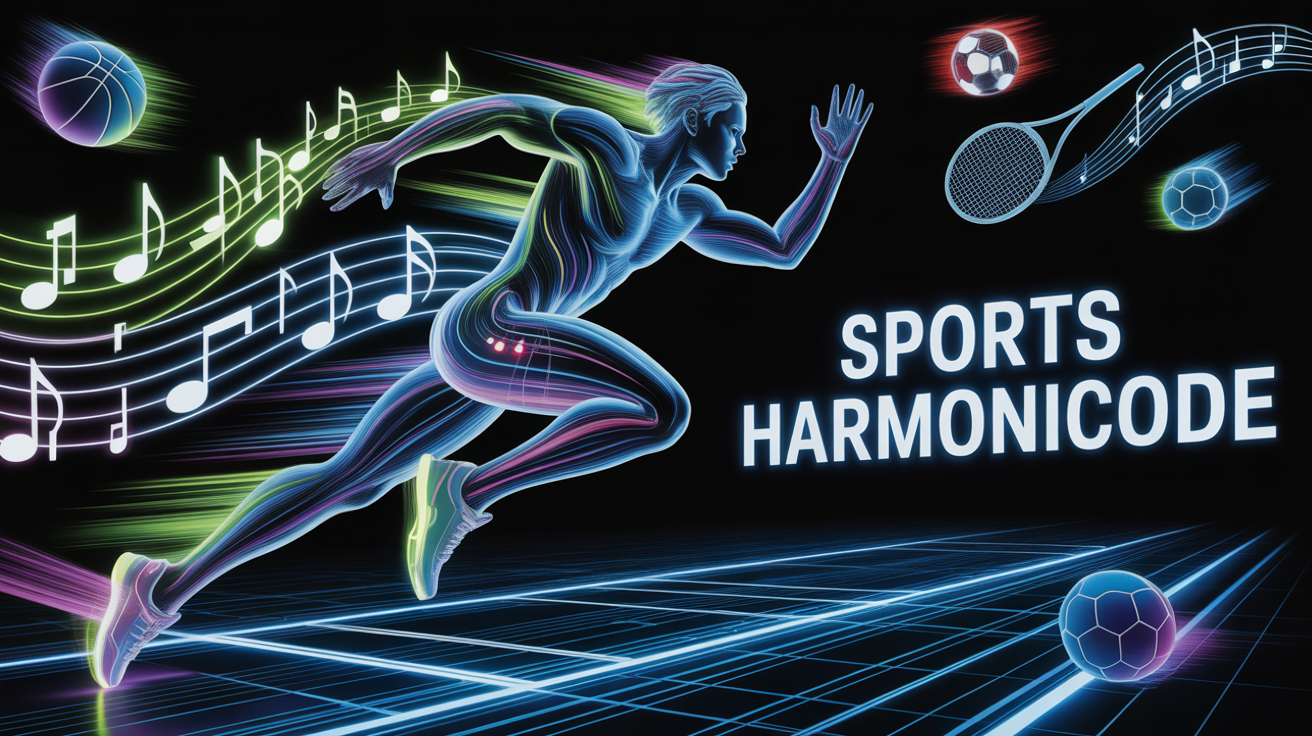
Every athlete wants to unlock their peak performance potential. Sports Harmonicode offers a unique approach to understanding and enhancing athletic ability.
By decoding the intricate relationship between rhythm, movement, and biomechanics, athletes can discover a whole new dimension of performance optimization.
Also Read: Profitable Intraday Trading Advice 66unblockedgames.com
The Origins of Sports Harmonicode
The concept of Sports Harmonicode isn’t new. It draws on the longstanding relationship between physical movement and rhythm, deeply rooted in the principles of biomechanics.
Historically, various disciplines, from dance to martial arts, have recognized the importance of coordinated movement.
Key Historical Context
Researchers and coaches have long studied how rhythm impacts performance. For example, in the 1980s, studies began to highlight the significance of muscle memory and movement synchronization.
Fast forward to today, and Sports Harmonicode encapsulates these findings in a formalized framework.
Definition of Sports Harmonicode: It refers to the integration of rhythmic patterns and effective movement mechanics that optimize athletic performance.
This concept emphasizes the importance of efficient movement, energy conservation, and overall athletic fluidity.
Applying Sports Harmonicode to Training
Athletes can significantly improve their performance by incorporating Sports Harmonicode into their training routines. Here’s how to do it effectively.
Techniques for Integration
Harmonic Breathing
Breathing techniques enhance physical performance. Controlled harmonic breathing helps athletes maintain energy and focus. You can practice this by:
- Inhaling deeply during preparatory movements.
- Exhaling explosively during exertion, such as when sprinting or throwing.
Movement Synchronization
Practicing rhythmic patterns in training reinforces coordination enhancement. For example:
- Sprinters can focus on stride length and cadence, ensuring that each step matches their rhythmic breathing.
- Swimmers can synchronize their strokes with their breathing patterns, optimizing their breathing–kicking cycle.
Case Studies
- Olympic Sprinters: Many elite sprinters implement stride analysis software to capture their motion patterns. By analyzing their sprint acceleration patterns, they can adjust their training for improved efficiency.
- Basketball Players: Teams that employ rhythm-based strategies often incorporate shooting tempo analysis. This helps players find their optimal shooting rhythm, leading to better performance during games.
Also Read: aajkitajikhabar.com Business Growth Guide And Tactics
Sports Harmonicode and Injury Prevention
Injuries are a common concern in athletics, and understanding your body’s harmonic code can play a vital role in prevention.
Biomechanics and Movement Analysis
Analyzing biomechanics reveals how improper techniques can lead to injuries. Athletes often overlook the significance of joint angle measurement and force application metrics during training. Paying attention to these factors can lead to:
- Better movement patterns that enhance coordination.
- Reduced risk of overuse injuries through careful monitoring and adjustment.
Recommendations for Coaches and Athletes
- Regular biomechanical assessments to understand individual movement patterns.
- Implementing rehabilitation mechanics focused on harmonic patterns to aid recovery.
Common Injuries and Their Mitigation
| Injury Type | Typical Causes | Harmonicode Interventions |
|---|---|---|
| Runner’s Knee | Improper gait, muscle imbalances | Improve movement synchronization |
| Tennis Elbow | Overuse, poor technique | Focus on harmonic movement patterns |
| Ankle Sprains | Inadequate biomechanics at footfalls | Monitor stride patterns |
The Role of Technology in Decoding Sports Harmonicode
Modern technology plays a crucial role in analyzing and optimizing Sports Harmonicode. Various tools are available today that help athletes and coaches gain deeper insights.
Tools and Devices
- Motion Sensors: These devices capture movement data, allowing for real-time performance monitoring. They can help optimize training by providing instant feedback.
- 3D Cameras and Motion Capture Technology: By mapping out an athlete’s biomechanics, coaches can identify inefficiencies. This data is crucial for creating tailored harmonic training programs.
- Wearable Tech: Smart insoles and wristbands that measure pressure and movement help athletes understand their unique motion patterns. This can lead to energy sustainability in athletes, crucial for endurance sports.
Also Read: Ultimate Guide To crypto30x.Com ICE For Investors
Real-life Applications
Many sports teams now employ AI-driven training systems to analyze player movements. For example:
- Basketball Teams: Use AI-powered solutions to analyze shooting metrics.
- Runners: Employ wearable technology for stride and cadence analysis.
Sports Harmonicode in Team Dynamics
Understanding the harmonic code isn’t just beneficial on an individual level; it can transform team performance as well.
Collective Understanding of Harmonicode
When all team members grasp the principles of Sports Harmonicode, they can work towards a common goal team harmonicode
enhanced team performance.
Importance of Synchronized Movements
Teams that practice together in rhythmic patterns often experience better synergy. For example:
- Soccer teams benefit from synchronized skills during essential plays, which can be developed through precise training focusing on team rhythm synchronization.
- Basketball teams establish coordinated plays enhancing their performance synchronization.
Strategies for Coaches
- Facilitate workshops on the principles of Sports Harmonicode.
- Implement team drills aimed at enhancing harmonic flow, promoting mental alignment and synchronization.
Psychological Aspects of Sports Harmonicode
The mental state of athletes heavily influences their performance. Understanding the psychological aspects of Sports Harmonicode can give athletes an edge.
Mental Resilience and Flow State
Achieving a flow state where athletes feel fully immersed in their activity is critical. Techniques like mindfulness and visualization can help cultivate this state, leading to:
- Enhanced focus and concentration during performances.
- Psychological resilience, enabling athletes to bounce back from setbacks.
Pre-Performance Routines
Establishing consistent pre-performance routines can help prime athletes for peak performance. This can include:
- Visualizing successful outcomes while focusing on movement rhythm.
- Engaging in breathing exercises that foster relaxation and focus.
Also Read: OnThisVerySpot Fibertel: What It Is And How It Works
The Future of Sports Harmonicode
As the field of sports science evolves, so too will Sports Harmonicode.
Predictions for Evolution
Future advancements might include:
- AI systems that provide personalized harmonic profiles for athletes, allowing for data-driven sports optimization.
- Enhanced motion analysis technology that decodes fine movements, creating hyper-personalized training regimes.
Areas for Emerging Research
- Rhythmic biomechanics: Understanding how these patterns vary among different types of athletes.
- Advanced data modeling: Integrating psychological flow modulation with physical performance metrics to create a comprehensive training model.
Conclusion
Unlocking the hidden code of athletic performance through Sports Harmonicode presents an exciting frontier for athletes and coaches alike.
By understanding and applying rhythm, biomechanics, and mental strategies, you can enhance your performance while reducing the risk of injury.
Whether you’re a sprinter honing your stride or a basketball player perfecting your shot, integrating these principles can lead to significant improvements. Embrace the harmonic flow, and watch as your athletic performance soars.
Read more knowledgeable blogs on Pun Dazzle

Philipp Engel is a passionate writer and pun lover dedicated to spreading laughter and joy through words. As the creator and author of the website Philipp Engel, he delivers a delightful mix of puns, jokes, and playful humor that entertains readers of all ages. With a sharp wit and a deep love for language, Philipp aims to brighten every visitor’s day with clever wordplay and a smile, making humor a universal language that connects people everywhere.