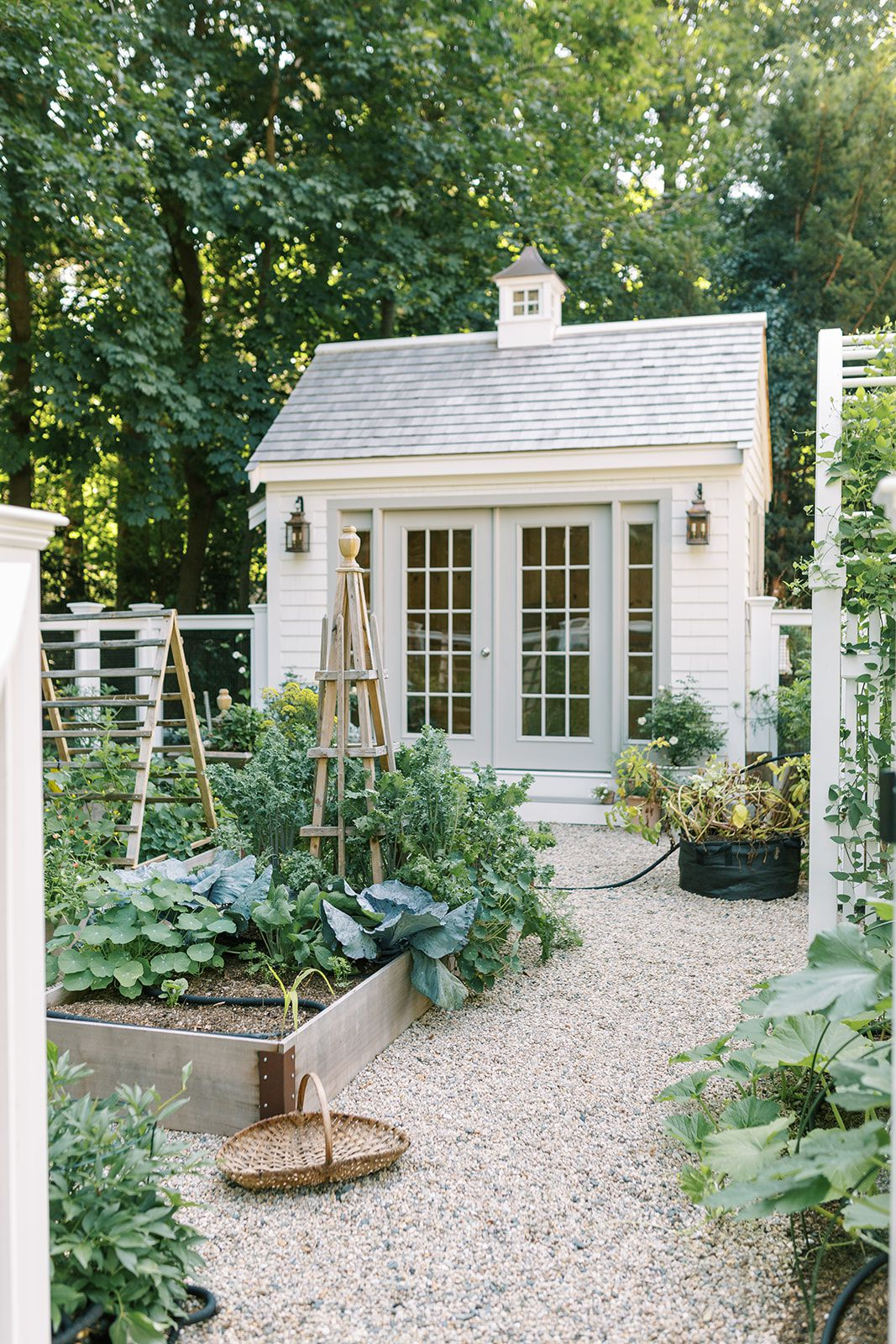









In today’s fast-paced life, our home is more than just a place to sleep. It is where we relax, recharge, and spend quality time with family. A well-organized home and a small green garden can greatly improve mental peace, air quality, and overall lifestyle. The good news is that you don’t need a big budget or expert skills to improve your home and garden. With a few smart ideas, anyone can create a clean, healthy, and beautiful living space.
This article shares simple, practical, and beginner-friendly home and gardening tips that actually work.
Why Home & Gardening Matters More Than Ever
A clean home reduces stress and helps maintain better health. Similarly, plants and greenery improve indoor air quality and create a calming environment. Gardening is also a proven stress-relieving activity that connects us with nature, even if we live in a small apartment.
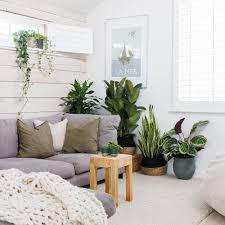
Benefits of home and gardening improvements include:
- Better mental peace
- Cleaner indoor air
- Improved home appearance
- Increased property value
- A healthier lifestyle
Easy Home Improvement Tips for Daily Life
1. Declutter One Area at a Time
Instead of trying to clean the entire house in one day, focus on one small area. Start with a drawer, shelf, or corner. Keep only what you actually use. This habit makes cleaning easier and keeps your home organized long-term.
2. Use Natural Cleaning Solutions
You don’t always need strong chemical cleaners. Simple household items like vinegar, baking soda, and lemon can clean surfaces effectively. These options are budget-friendly and safer for children and pets.
3. Improve Lighting for a Fresh Look
Good lighting can completely change the feel of a room. Open curtains during the day to allow natural light inside. In the evening, use warm lights to create a cozy and welcoming environment.
4. Add Indoor Plants
Indoor plants not only decorate your home but also help purify the air. Even one or two plants can make a noticeable difference in how a room feels.
Beginner-Friendly Gardening Tips
1. Start Small and Simple
If you are new to gardening, avoid planting too many things at once. Start with 2–3 easy plants. Once you gain confidence, you can slowly expand your garden.
2. Choose Low-Maintenance Plants
Some plants grow easily and do not require much care. These are ideal for beginners and busy people.
Examples include:
- Snake plant
- Aloe vera
- Money plant
- Basil
- Mint
These plants survive well in both indoor and outdoor environments.
3. Understand Sunlight Needs
Every plant has different sunlight requirements. Some need full sunlight, while others grow better in shade. Observe your space and place plants accordingly. This simple step can prevent many common gardening problems.
4. Water Wisely
Overwatering is one of the biggest mistakes beginners make. Always check the soil before watering. If the top soil feels dry, it’s time to water. If it’s still moist, wait another day.
Small Space Gardening Ideas
You don’t need a big backyard to enjoy gardening. Even small spaces can be transformed into green corners.
Balcony Gardening
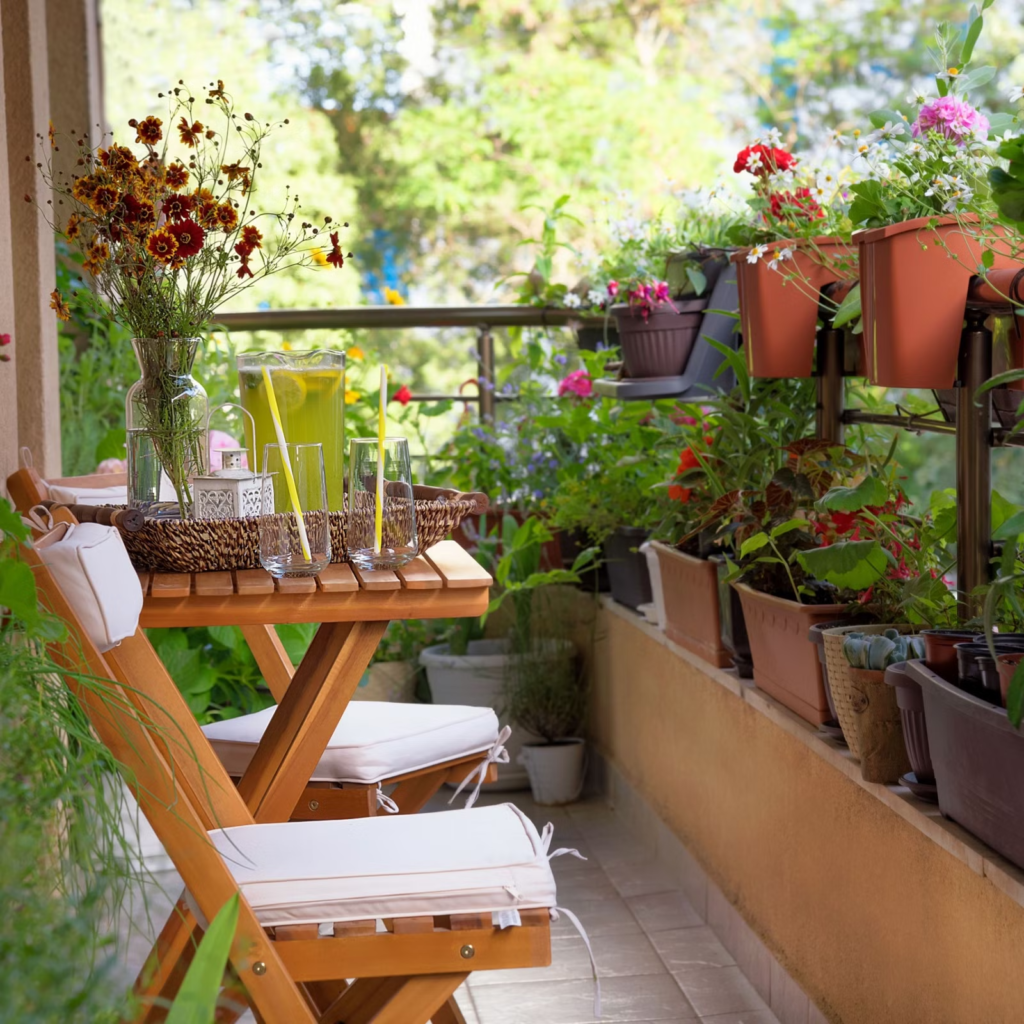
Use pots, hanging planters, or railing planters to grow flowers and herbs. Vertical gardening works best in small balconies.
Kitchen Herb Garden
Growing herbs like coriander, mint, or basil near your kitchen is both practical and satisfying. Fresh herbs improve cooking taste and reduce grocery costs.
Window Sill Plants
A sunny window sill is perfect for small plants or flowers. It adds beauty and keeps your home feeling fresh.
Seasonal Gardening Care
Summer Care
- Water plants early in the morning or evening
- Protect plants from extreme heat
- Mulch soil to retain moisture
Winter Care
- Reduce watering frequency
- Protect plants from cold winds
- Move sensitive plants indoors if needed
Understanding seasonal needs helps plants stay healthy all year round.
Eco-Friendly Home & Garden Habits
Making small eco-friendly changes benefits both your home and the environment.
Simple ideas include:
- Reusing containers as plant pots
- Composting kitchen waste
- Collecting rainwater for plants
- Using natural fertilizers
These habits reduce waste and support sustainable living.
Common Mistakes to Avoid
- Buying plants without knowing their care needs
- Overwatering plants
- Ignoring sunlight requirements
- Using poor-quality soil
- Forgetting regular cleaning and maintenance
Avoiding these mistakes saves time, money, and effort.
Final Thoughts
Home and gardening improvements don’t require perfection. Small steps, taken consistently, can create a peaceful, healthy, and beautiful living environment. Whether it’s adding a few plants, organizing your space, or adopting eco-friendly habits, every effort counts.
Start today with one small change, and you’ll soon notice a big difference in how your home looks and feels. A well-maintained home and a touch of greenery can truly transform everyday life.

Philipp Engel is a passionate writer and pun lover dedicated to spreading laughter and joy through words. As the creator and author of the website Philipp Engel, he delivers a delightful mix of puns, jokes, and playful humor that entertains readers of all ages. With a sharp wit and a deep love for language, Philipp aims to brighten every visitor’s day with clever wordplay and a smile, making humor a universal language that connects people everywhere.