





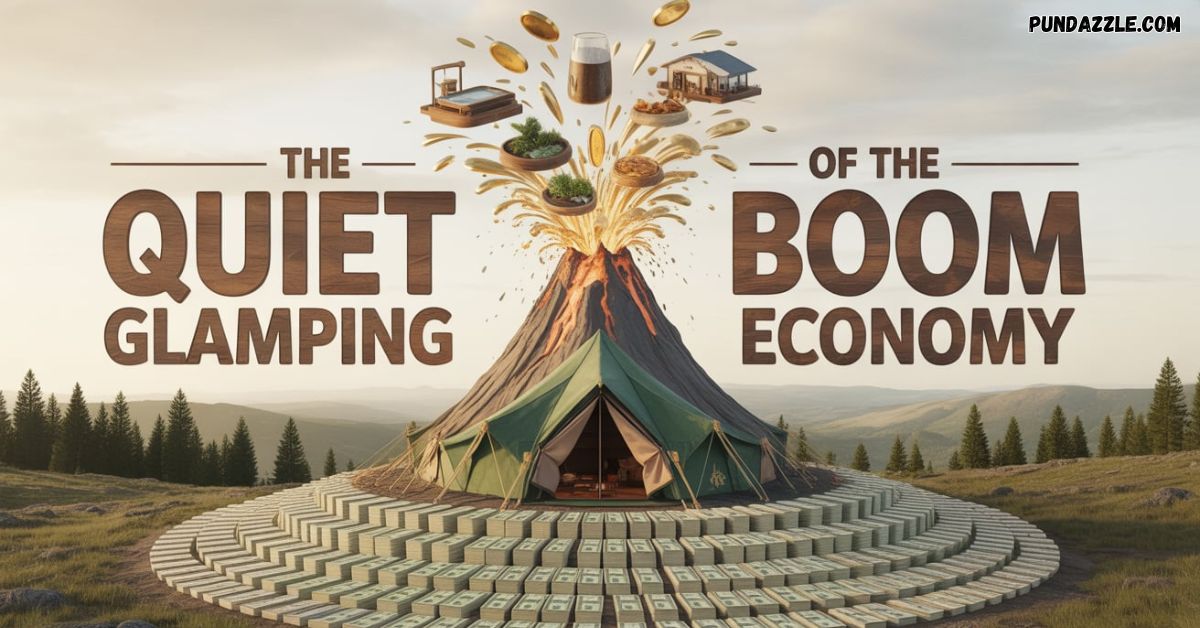
In recent years, the glamping economy has quietly evolved, marking a significant shift in how travelers engage with nature.
No longer limited to traditional camping with sleeping bags and basic tents, glamping offers an enticing blend of luxury, comfort, and the great outdoors.
This rise isn’t merely a trend; it represents a remarkable opportunity within the tourism industry that caters to various demographics from younger travelers seeking adventure to wellness travelers looking for a digital detox experience.
From Tents to Trendy Accommodations
The evolution of glamping is striking. Initially, camping involved little more than a tent and the great outdoors. Now, outdoor hospitality has undergone a transformation.
Luxury camping options like treehouses, safari tents, and geodesic domes provide travelers with experiences that are as Instagram-worthy as they are cozy.
Types of Glamping Accommodations:
- Safari Tents: Often outfitted with high-end amenities, these tents allow guests to connect with nature minus the discomfort of traditional camping.
- Treehouses: Elevated and often designed to provide stunning views, these offer a unique stay.
- Eco-friendly Pods: Designed to have minimal environmental impact, these structures cater to environmentally-conscious travelers.
- Yurts and Tiny Houses: Combining rustic charm with modern aesthetics, they offer unique experiences that are both cozy and stylish.
Who’s Driving the Glamping Boom?
The key demographics fueling the glamping market are diverse. Experience-driven travelers are on the rise, often prioritizing unique experiences over mere accommodations.
This includes younger families, adventure seekers, and remote workers looking to combine work and leisure.
Demographics of Glampers:
- Younger Travelers: Millennials and Gen Z prioritize experiences over material possessions.
- Families: Parents often turn to glamping for safe outdoor escapades with their children.
- Digital Detox Audiences: Many travelers are seeking a break from technology in serene, natural settings.
- Adventure Seekers: Those yearning for rustic adventures combined with luxury often find glamping appealing.
The role of social media in amplifying these trends cannot be understated. Platforms like Instagram allow beautiful images of luxurious tent setups and stunning nature views to go viral. This visual appeal drives more people toward seeking glamorous camping experiences.
Also Read: Why I’m Building CapabiliSense Medium: A New Era Of Insightful Knowledge Sharing
A Global Perspective: The Expanding Market
The global glamping market is booming, with projections indicating exponential growth in the next decade.
Various regions are quickly embracing this form of sustainable tourism, leading to increased investments and innovations in outdoor accommodations.
Global Trends in Glamping:
- Europe’s Forest Cabins: Offering a quaint, nature-connected escape, these accommodations blend luxury with rustic charm.
- Middle Eastern Desert Domes: The blend of traditional hospitality with modern comforts creates unique stays in arid landscapes.
- North American Mountain Yurts: These structures are popular for their environmental and aesthetic appeal, drawing attention from wellness-focused travelers.
- Asian Beachfront Tents: Merging luxury and nature, these offer travelers the chance to wake up to ocean views.
Market Size and Predictions
According to recent market research, the glamping economy is anticipated to reach significant milestones by 2028, with a compounded annual growth rate (CAGR) of around 12%. The surge in domestic travel and an increase in experience-based travel are often cited as contributing factors.
| Region | Market Size (2021) | Projected CAGR (2023-2028) |
|---|---|---|
| North America | $1.5 billion | 11% |
| Europe | $1.2 billion | 13% |
| Asia-Pacific | $0.8 billion | 14% |
| Middle East & Africa | $0.5 billion | 10% |
Economic Impacts on Rural Communities
The growth of the glamping economy brings numerous benefits to rural communities. By transforming local tourism dynamics, glamping plays a crucial role in revitalizing rural economies.
Transforming Local Economies:
- Farm Diversification: Many farmers are pivoting into hosting glamping sites, diversifying their income sources.
- Job Creation Opportunities: New businesses lead to job openings, enhancing community employment.
- Extending Local Tourism Seasons: Offering unique experiences during off-peak months encourages tourist visitation year-round.
- Place Branding and Storytelling: Establishing a unique brand helps communities attract visitors and stand out in the competitive tourism industry.
This transformation promotes a local tourism economy that thrives on sustainable tourism practices. Farmers and locals are now storytellers, weaving narratives about their land that attract curious travelers.
Profitability: The Business of Glamping
Exploring the profitability of the glamping market reveals why entrepreneurs are flocking to this sector. Glamping venues typically can charge higher nightly rates compared to traditional hotels and lodges.
Understanding the Business Model:
- Higher Revenue per Night: Glamping sites often command 30-70% more per night than standard camping or hotel options.
- Streamlined Operations: Lean staffing reduces overhead and improves profitability.
- Modular and Scalable Growth: These setups are often easy to install and adjust, catering to demand fluctuations.
- Direct Guest Relationships: Owners build connections with guests, allowing for direct bookings that increase profit margins.
In fact, many glampers prefer direct booking to avoid third-party fees, thus improving the bottom line for owners.
Also Read: WhosValora: Unraveling The Digital Persona Redefining Online Identity
Navigating Risks and Challenges
While opportunities abound, the glamping economy faces several challenges. These range from regulatory concerns to market saturation. Solving these issues requires innovative thinking and flexibility in operations.
Potential Pitfalls:
- Zoning Regulations: Uncertain zoning laws can hinder development and operational practices.
- Environmental Concerns: Balancing profitability and environmental stewardship is crucial; climate risks may impact some glamping sites.
- Market Saturation: With an increasing number of sites, maintaining unique offerings will be essential to stand out.
These challenges aren’t insurmountable, but they require attention and strategic thinking from those operating within the glamping economy.
Sustainability: Essential or Optional?
Sustainability is more than just a buzzword in the glamping economy—it’s a necessity. Eco-friendly practices are pivotal in shaping the future of luxury camping.
Debating Sustainability in Glamping:
- Eco-friendly Construction: Using low-impact structures and renewable energy systems such as solar panels is becoming standard.
- Environmental Stewardship: Good land management practices and ecological restoration ensure the preservation of natural landscapes.
- Composting Toilets and Native Vegetation: These simple additions can significantly reduce the environmental impact of a glamping site.
By prioritizing sustainable practices, glamping operators not only appeal to eco-conscious travelers but also contribute positively to the environment.
Emerging Design Trends in Glamping
Design is a crucial aspect of the glamping experience. As the market grows, innovative concepts are shaping the next wave of glamping accommodations.
Innovative Concepts Shaping Glamping:
- Smart Pods and Tiny Houses: Integrating smart technology such as keyless entry and automated lighting offers an elevated guest experience.
- Curated Interiors: Highlights the importance of aesthetics; high-end furnishings and decor elevate the ambiance.
- Outdoor Wellness Experiences: Facilities like yoga decks, saunas, and cold plunges promote health and wellness and enhance the overall glamping experience.
Design Trends:
- Stargazing Skylights: A popular addition for structures wanting to blend luxury with nature.
- Geodesic Domes and Vintage Caravans: Unique architectural styles attract travelers seeking one-of-a-kind experiences.
These trends not only elevate the experience but also create strong selling points for social media marketing, making them more shareable and enticing for potential visitors.
Also Read: Abithelp Tablets: The Start Of A Smarter Financial Future
The Future Landscape of the Glamping Economy
Looking forward, the glamping economy is poised for significant growth and evolution. Changing consumer preferences and technological advancements will drive its development.
What’s Next for Glamping?
- Increased Focus on Wellness: Expect more offerings tied to wellness, such as guided nature walks and wellness retreats.
- Adoption of Technology: Enhanced guest experiences through high-speed Wi-Fi, app-based guest info, and data-driven pricing strategies.
- New Markets: Emerging destinations will result in increased international glamping options, catering to diverse traveler needs.
The conversation surrounding glamping will likely extend beyond mere accommodation. It will become an integral part of the travel lifestyle, incorporating experiential travel trends and slow travel principles.
Conclusion
The glamping economy represents a remarkable opportunity to reshape the tourism landscape while bringing substantial benefits to local communities and the environment.
As travelers continue to seek unique, experience-driven adventures, glamping stands out as a perfect intersection of nature and luxury.
Whether you’re an adventure seeker, a remote worker, or someone looking to enjoy nature in style, glamping offers something for everyone.
The future of outdoor hospitality looks bright, and embracing this trend could lead to richer, more fulfilling travel experiences.
So, whether you’re searching for glamping near me or planning an international glamping trip, rest assured that this industry is only set to grow, offering endless opportunities and adventures.
FAQs
What exactly is the glamping economy?
The glamping economy refers to the booming market for luxurious outdoor accommodations that combine the experience of camping with the comforts of modern hospitality.
How has the glamping market grown in recent years?
The glamping market has seen significant growth, driven by demand for unique travel experiences, with projections indicating a robust rise over the next decade.
Who typically participates in the glamping economy?
Participants in the glamping economy include experience-driven travelers like millennials, families seeking adventure, and wellness-focused visitors looking for nature retreats.
What types of accommodations are part of the glamping economy?
The glamping economy features diverse options, including safari tents, treehouses, yurts, and eco-friendly pods, all designed to provide comfort while immersing guests in nature.
Why is sustainability important in the glamping economy?
Sustainability is key in the glamping economy as more travelers prefer eco-friendly accommodations that minimize environmental impact and promote stewardship of natural resources.
How does the glamping economy benefit local communities?
The glamping economy is vital for local communities by creating jobs, supporting local businesses, and enhancing the tourism season, which boosts the local economy.
What trends are shaping the future of the glamping economy?
Emerging trends in the glamping economy include the rise of smart technology in accommodations, a focus on wellness retreats, and innovative design that blends luxury with nature.
Read more knowledgeable blogs on Pun Dazzle

Philipp Engel is a passionate writer and pun lover dedicated to spreading laughter and joy through words. As the creator and author of the website Philipp Engel, he delivers a delightful mix of puns, jokes, and playful humor that entertains readers of all ages. With a sharp wit and a deep love for language, Philipp aims to brighten every visitor’s day with clever wordplay and a smile, making humor a universal language that connects people everywhere.